Comparisons / Isometric Neck Hold (Front and Back) vs Seated Neck Harness Flexion
Isometric Neck Hold (Front and Back) vs Seated Neck Harness Flexion
The Isometric Neck Hold (Front and Back) has you press your head against your hand without moving, while the Seated Neck Harness Flexion has you move your head with a weight hanging from a strap. Pick the Isometric Neck Hold (Front and Back) to start gently with no equipment, and the Seated Neck Harness Flexion when you want to add weight.
 Androidcoming soon
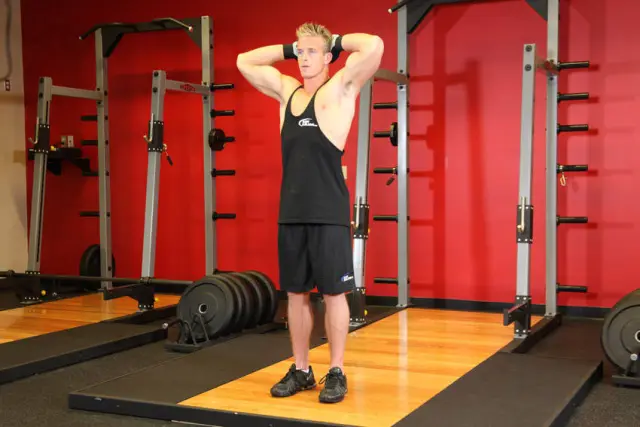 Isometric Neck Hold (Front and Back)
 Seated Neck Harness Flexion
The difference at a glance
| Isometric Neck Hold (Front and Back) | Seated Neck Harness Flexion | |
|---|---|---|
| Main muscle | neck | neck |
| Also works | – | – |
| Equipment | no equipment (bodyweight) | other equipment |
| Type | Isolation exercise (one joint) | Isolation exercise (one joint) |
| Sets and reps | 2–3 sets of 5–10 seconds per direction | 2–3 sets of 12–20 reps |
What applies to you?
Tap what is true for you. You see right away which exercise fits better.
When Isometric Neck Hold (Front and Back) is the better fit
When Seated Neck Harness Flexion is the better fit
Verdict
The Isometric Neck Hold (Front and Back) is the better start for your neck. Move to the Seated Neck Harness Flexion only after you have built a base with light, careful work.
Both exercises in the same plan?
Yes. Do the Isometric Neck Hold (Front and Back) as a warm-up, then the Seated Neck Harness Flexion with a light weight.
Log both exercises in REPS Club
- Your weight and reps from last time are already filled in
- The rest timer starts by itself after every set
- The plan knows the equipment at your gym
 Androidcoming soon
Free to download. Try REPS Pro free for 7 days.
Keep training
How to do it: Isometric Neck Hold (Front and Back)How to do it: Seated Neck Harness FlexionAlternatives to Isometric Neck Hold (Front and Back)Alternatives to Seated Neck Harness FlexionBack Exercises
More comparisons
Weighted Neck Flexion (Face Up) vs Seated Neck Harness FlexionIsometric Neck Hold (Front and Back) vs Weighted Neck Flexion (Face Up)Rack Pulls vs DeadliftLat Pulldown vs Seated Cable RowBarbell Row vs Seated Cable RowBarbell Row vs T-Bar RowPull-Ups vs Lat PulldownBarbell Row vs Bent-Over Dumbbell RowBarbell Row vs Single-Arm Dumbbell RowBarbell Row vs Chest-Supported Machine Row
This guide does not replace instruction from a qualified trainer. Stop the exercise if it hurts.
